Pari Adhikari
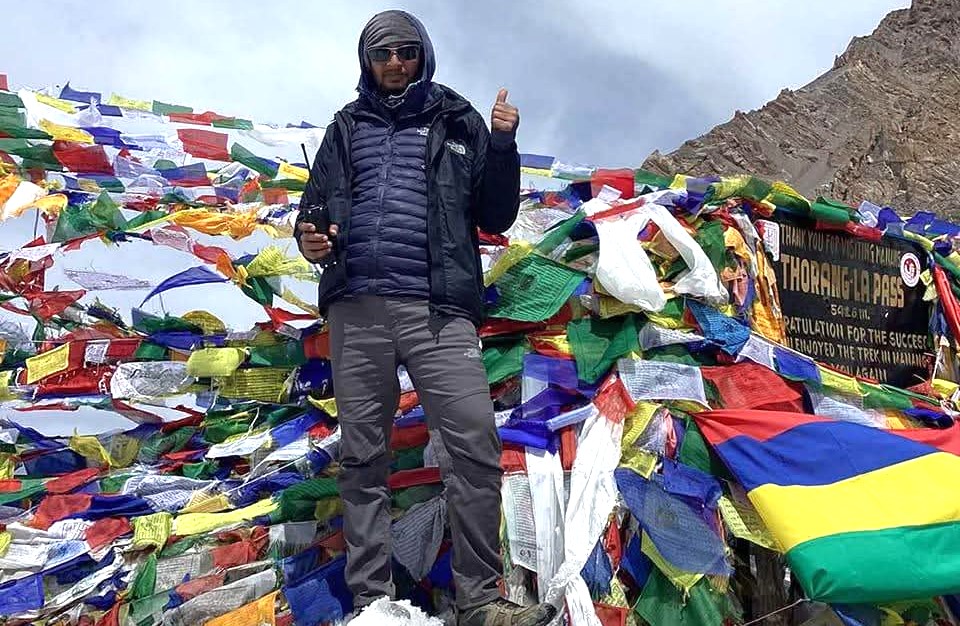
I am a freelance trekking guide from Nepal, working actively in the Annapurna range, Langtang range, Pokhara, and Kathmandu regions. Over the years, I have guided many international trekkers and closely observed the real situation behind trekking packages sold by agencies.
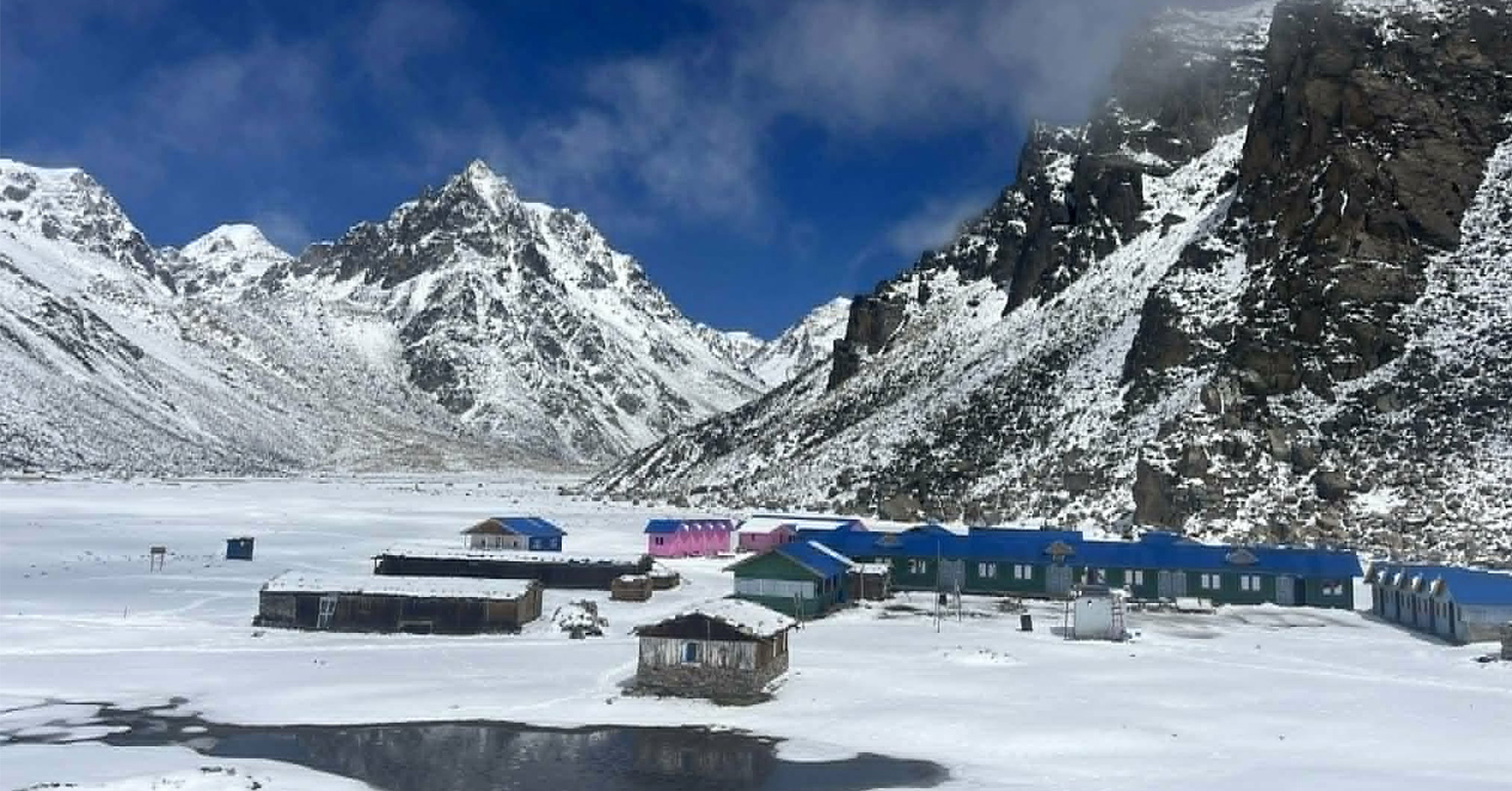
A recent experience during the Mardi Himal Trek clearly exposed the structural problems in Nepal’s trekking tourism system—especially related to package pricing, guide payment, and unethical practices on the trail.
A Real Incident from Mardi Himal Trek
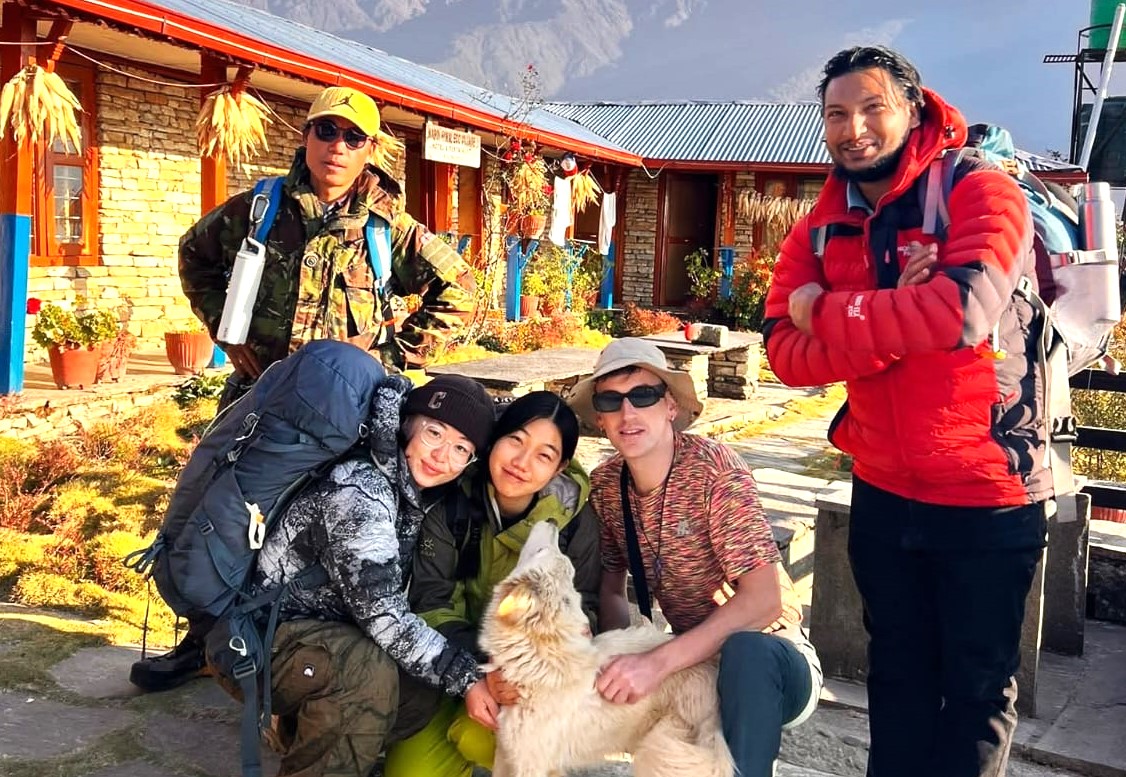
Recently, I met two Chinese trekkers on the Mardi Himal route. They had booked their trek individually through an agency. Their total package cost was NPR 28,000 for 5 days, which included:
- Trekking guide
- Transportation
- Accommodation (rooms)
Later, they joined my group and trekked together with my guests.
Actual Cost Breakdown (Ground Reality)
Let us look at the real, on-ground costs, based on current market rates:
Transportation (Private Car)
- Pokhara → Kande: NPR 2,500 – 3,000
- Kalimati → Pokhara: NPR 2,500 – 3,000
👉 Total transportation cost: approx. NPR 5,000 – 6,000
Accommodation (Rooms Only)
- Average room cost during Mardi Himal Trek:
- Maximum NPR 500 per night
- For 5 nights: NPR 2,500
Guide Cost (Reality vs Standard)
- Industry minimum guide wage: NPR 3,100 per day
- Professional guide rate: NPR 4,000+ per day
- Actual payment received by the guide: NPR 2,500 per day
- For 5 days: NPR 12,500
The Big Question: Where Does the Money Go?
When we calculate transparently:
- Transport: ~NPR 5,500
- Rooms: ~NPR 2,500
- Guide (actual paid): NPR 12,500
👉 Major expenses are already covered well below the package price, yet the guide is still underpaid.
This shows a clear issue:
Agencies take full payment in the name of “inclusive packages” but do not distribute it fairly at the ground level.
Why Underpaid Guides Create Bigger Problems
Because some guides are not paid properly, they are pushed into survival-based practices during the trek:
- They do not pay for rooms directly
- They take commissions from lodge owners
- They select lodges based on commission, not quality
- Ethical guiding becomes difficult when basic income is insecure
This is not always because guides want commissions—it is because they are forced into it by low pay.
Who Ultimately Suffers?
1. Trekkers
- Lose freedom to choose lodges
- Receive biased guidance
- Experience lower service quality
- Feel confused and disappointed
2. Guides
- Work long days with low income
- Lose motivation and professionalism
- Face stress and ethical pressure
3. Local Lodges & Communities
- Honest lodges lose guests
- Commission-based lodges dominate
- Local tourism economy becomes unhealthy
4. Nepal’s Tourism Image
- Trust decreases among international visitors
- Word spreads negatively
- Sustainable tourism suffers
Bigger Structural Problems in Nepal’s Trekking Sector
From my direct field experience:
- Trekkers lack accurate information and data
- They don’t know:
- Which trek suits them
- Permit requirements and costs
- Peaceful vs crowded routes
- Many guides and porters do not know all trekking trails
- In the Annapurna Conservation Area alone, 22–25 trekking trails are officially opened, yet:
- Many remain untouched
- Municipalities do not promote them
- Trekker flow data is poorly recorded
- TAAN has opened trails, but awareness is missing
Final Reality Check
Nepal’s trekking tourism cannot be sustainable if:
- Agencies earn from packages but guides are underpaid
- Guides are pushed toward commission-based survival
- Data, transparency, and promotion are weak
- Ground-level professionals are ignored
A Guide’s Honest Message
As a trekking guide who has worked across Annapurna, Langtang, Pokhara, and Kathmandu, I strongly believe:
Fair pay creates ethical guides.
Ethical guides create satisfied trekkers.
Satisfied trekkers build Nepal’s tourism future.
So the real question remains:
If agencies take money from packages but guides are not paid fairly—who suffers?
The answer is clear: trekkers, guides, local communities, and Nepal’s tourism itself.